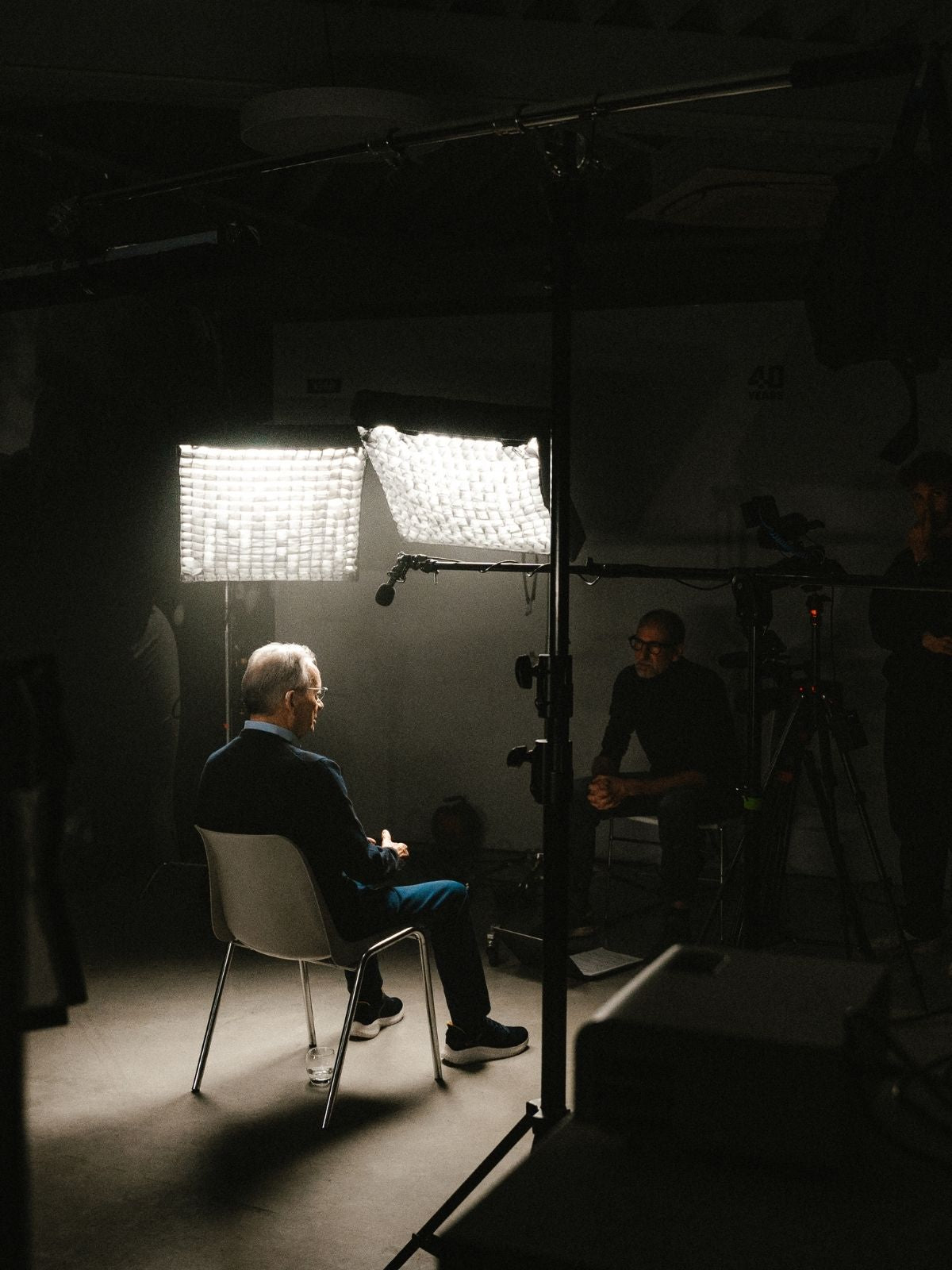
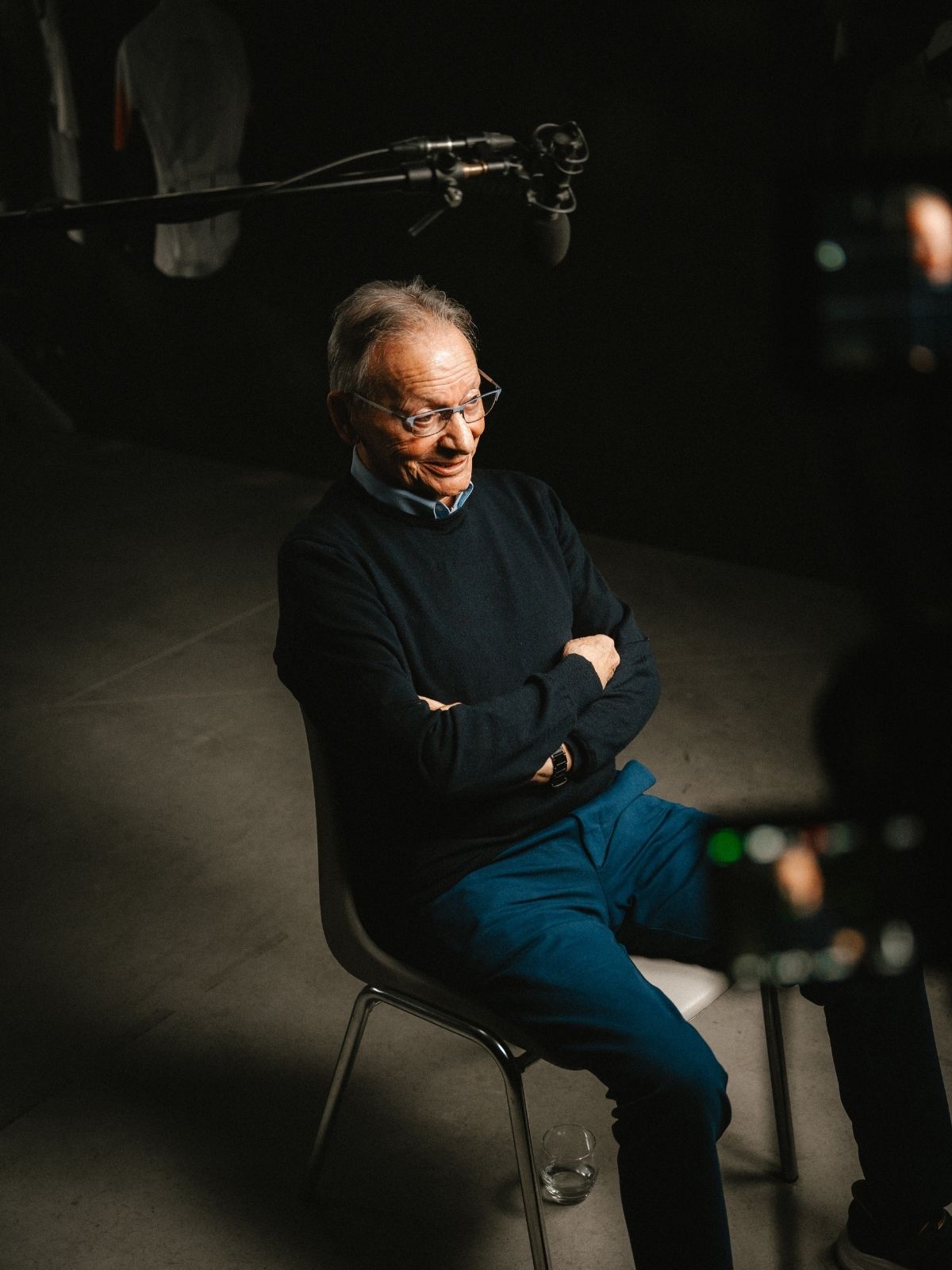
By Raymond Vanstraelen
From Garage to Glory
Come in. There's a story here worth your time. Forty years of making riders faster, told from the very beginning. Press play to watch it unfold. Or scroll down and read it at your own pace, milestone by milestone.



1979.
In 1976, Raymond Vanstraelen's racing career came to an end. His life in cycling was only beginning.
Most riders, when they stop, step away. Raymond did the opposite. He spent three years studying to become a cycling manager and coach, and in 1979 he opened an academy of his own. He called it Suport.
He didn't build it alone. Alongside him stood Yvan Vanmol, the renowned cycling doctor. From day one, Suport was unlike anything around it. This was no club for putting riders on the road and clicking a stopwatch. It was built around a single, stubborn question, the one that would drive everything Raymond ever did:
"The idea I started with was a holistic one: how do I make the rider better?"
- Raymond Vanstraelen, Founder Bioracer.

1985.
That question drew talent. The names that came through Suport read like a roll-call of Belgian cycling's golden age: Eric Vanderaerden, René Martens, Herman Frison, Johan Capiot, Guy Nulens. And it pushed Raymond to the very edge of what the sport thought possible.
With Vanmol, he became the first to bring Polar, the Finnish heart-rate pioneer, to Belgium and Luxembourg. Every athlete in the academy, the cyclists and even a motocross rider, trained with a monitor on the wrist, years before the rest of the sporting world even knew to look.

1986.
For their riders, Raymond built something almost no one else in the world was offering: he measured the whole athlete. Not a glance and a guess, but every dimension that mattered: the limbs, the inseam, the torso, the arms, and the knee-over-pedal, the forward reach of the knee that hardly anyone else thought to measure at all. Every number fed a computer model that worked out the one position a rider's body was actually built for. In those days, nobody was doing this.

1986.
Beneath it lay pure biomechanics. Crank horizontal, pedal flat, Raymond would watch for the instant the head of the quadriceps fell into a plumb line straight over the pedal axle. That single moment told him almost everything: how far the leg leaned, whether the saddle sat right, whether the stroke would let a rider deliver every watt at exactly the right moment.
And symmetry mattered just as much. Left and right had to mirror each other, exactly. He could read it in the knee, see it in a rider's posture, even hear it in the rhythm of the pedals. Nothing got more of his attention.
"If I add up all the hours I spent on that shoe, it runs into months. I could still talk about it for hours. There's no shoe as good as that one."
Raymond Vanstraelen, Founder Bioracer.

1986.
He means it. Forty years on, the shoe still lights him up because the same biomechanical thinking that had reshaped a rider's position led him, inevitably, downward, to the foot. The foot is where everything a rider produces finally reaches the bike. It is also where most of it escapes.
Back then, a cycling shoe was black leather on a black leather sole. Raymond made his one blue, and built an arch inside it. Every other sport had figured this out; cycling hadn't. More than 80% of riders pronate, under load the foot rolls inward and drags the knee with it, and the arch caught that collapse before it turned into lost power. He lifted the shoe a fraction to lock the heel in place.
And then he did something no shoe has equalled since: he made it asymmetric. As you pedal, the ankle rolls in and power bleeds away at the back of the heel; the asymmetric build tilts the heel outward and turns that loss straight back into drive.

1986.
It worked. Eight hundred pairs, sold from the garage. At its peak, a third of the professional peloton was racing on them: Planckaert, De Wolf, Nulens, Vanderaerden.
And then it was gone. The maker went bankrupt, partly, Raymond admits, from trying to keep pace with him; he always wanted the next thing, and the poor man had to keep building it. When the manufacturer fell, the Bioracer shoe fell with it.

1986.
Raymond didn't dwell on it. He turned to what he could still shape with his own hands: the insole. A footbed, done right, can do an enormous amount the whole art of it is taking away the peak pressure.
Cycling has no roll-through like walking or running, so the foot is scanned in 3D and the insole heated and moulded to the exact point where the load builds. Proprioception is everything. The goal, in the end, is simple: both knees, tracking perfectly straight.

1986.
By now Raymond had taken thousands of biomechanical measurements, and the numbers kept pointing to the same uncomfortable truth: riders and their bikes didn't match. The whole industry took its lead from the Italian bike makers, fitting the rider to the bike instead of the bike to the rider. A 165-centimetre Italian and a 190-centimetre Scandinavian could end up on near enough the same machine. To Raymond, that was absurd. It was also an opportunity and he wasn't the only one who saw it.
At a trade fair in Munich in 1986, he met Harrie and Sjefke Janssen, two brothers who ran one of the best-known bike shops in the Netherlands. They understood each other at once. Raymond had the biomechanical insight; the brothers had the craft to turn it into metal. Both were convinced of the same thing: the rider's measurements belonged in the frame itself. Raymond kept the Bioracer name in his own hands; the Janssens built the bikes.

1986.
What came out of that partnership was something the industry simply didn't make. Every frame was personal. Not a model, not a size off a chart. But one frame, for one body, to numbers no two riders shared. The quality wasn't in anything the eye could catch. It was in how completely each bike belonged to the person who rode it. That was Raymond's gift, and almost nobody else's.
Most people could measure a rider; almost no one could turn it into a frame. He caught faults of a centimetre where others saw nothing, and rebuilt to the millimetre in height and length, and to a tenth of a degree in angle.
It was also why it could never grow. Chase a position to the hundredth of a percent and the bike becomes far too expensive, and impossible to mass-produce. Only one person could ever build to that standard. Training others would have taken years, and wouldn't have worked even then.

1987.
Raymond had already reshaped the rider's position, the shoe and the frame. Now the same question landed somewhere new. On the rider's back. Quite literally. In the 1980s the peloton still raced in wool. It drank the rain like a sponge, and on a grey Belgian afternoon that left riders dragging jerseys that hung heavy, cold and clinging. So Raymond went looking for where clothing was actually being done right. The answer wasn't in cycling at all. It was on the ski slopes.
The trail led him to Switzerland, to a maker of ski wear who understood fabric that was light, elastic and able to breathe. It was Eschler, a leading textile house, who said the thing that changed everything: stop searching for the garment you want, and start making it yourself. So he did, and not alone. Raymond and his wife, Annie, took a five-year career break, set up two small sewing machines in the garage, and began.

1989.
What they were chasing was a single jacket that could do it all: waterproof, breathable and stretchy at once. They called it IsoFilm. The first ones were made for the riders of his own academy. Nothing like them existed, and in a peloton, word travels fast. By 1989 the jacket had reached the very summit of the sport: the riders of Panasonic, Peter Post's powerhouse team, were zipping into Raymond's jackets on the biggest stage in cycling.

1993.
The jacket had proven what one garment could do. But Raymond wasn't building single pieces; he was building a whole way to dress a rider. In 1991, that ambition found its team. Tonton Tapis-GB pulled on Bioracer from cap to socks and rolled to the start line as the first squad ever to race entirely in his kit. It was a bigger leap than the jacket had ever been.
"The Belgian national team is something I always dreamed of. I raced in the national colors myself a few times, so I know exactly how proud it can make you. It's neutral sponsorship, and you always work with the very best riders.
Raymond Vanstraelen, Founder Bioracer.

1994.
In 1993, Raymond found himself at the New Year's reception of the Belgian Cycling Federation. He didn't know it yet, but he was standing at the start of something that would become iconic. Bioracer and the federation, today Belgian Cycling, joined forces, and the new partnership announced itself almost immediately: Paul Herygers rode to the world title CX, the first Bioracer world champion to enter the record books. For Raymond, it was a dream coming true.

1995.
Belgium was only the beginning. In 1995 came the Netherlands' KNWU, and there was no stopping it now. The next year, the Dutch mountain biker Bart Brentjens climbed onto the top step in Atlanta, the first Olympic champion to win in Bioracer. In 2009 Germany followed, with the BDR, now German Cycling. Alongside time-trial specialist Tony Martin and the engineers at FES, Bioracer became the benchmark in time-trial suits. More than three decades later, those partnerships are stronger than they have ever been. The medal counter has passed 1,500. And the work toward LA 2028 isalready running at full tilt.

2026.
A founder's obsession can build a company. Keeping it alive once he steps away is the harder thing. Bioracer managed both. Raymond handed over the wheel long ago. Danny Segers became CEO in 2018, Stefan Venken in 2026. But you won't convince Raymond he's left. Every week he comes back, walks in past the photographs on the walls decades of Bioracer victories and stops to take them in.
That is the secret hiding in plain sight. It was never the jackets, the frames or the medals. It was always the people who made them. The company that made its name measuring riders is, in the end, measured by something just as human... the belief Raymond built it on: man is the measure of all things.
Find the right people, give them the right place, and everything else follows. From two sewing machines in a garage to world champions in the national colors of Europe, the arc was never really about the product. It was about a question one man refused to stop asking, and the people who answer it still. The garage is far behind them now. The fire that started there is not.
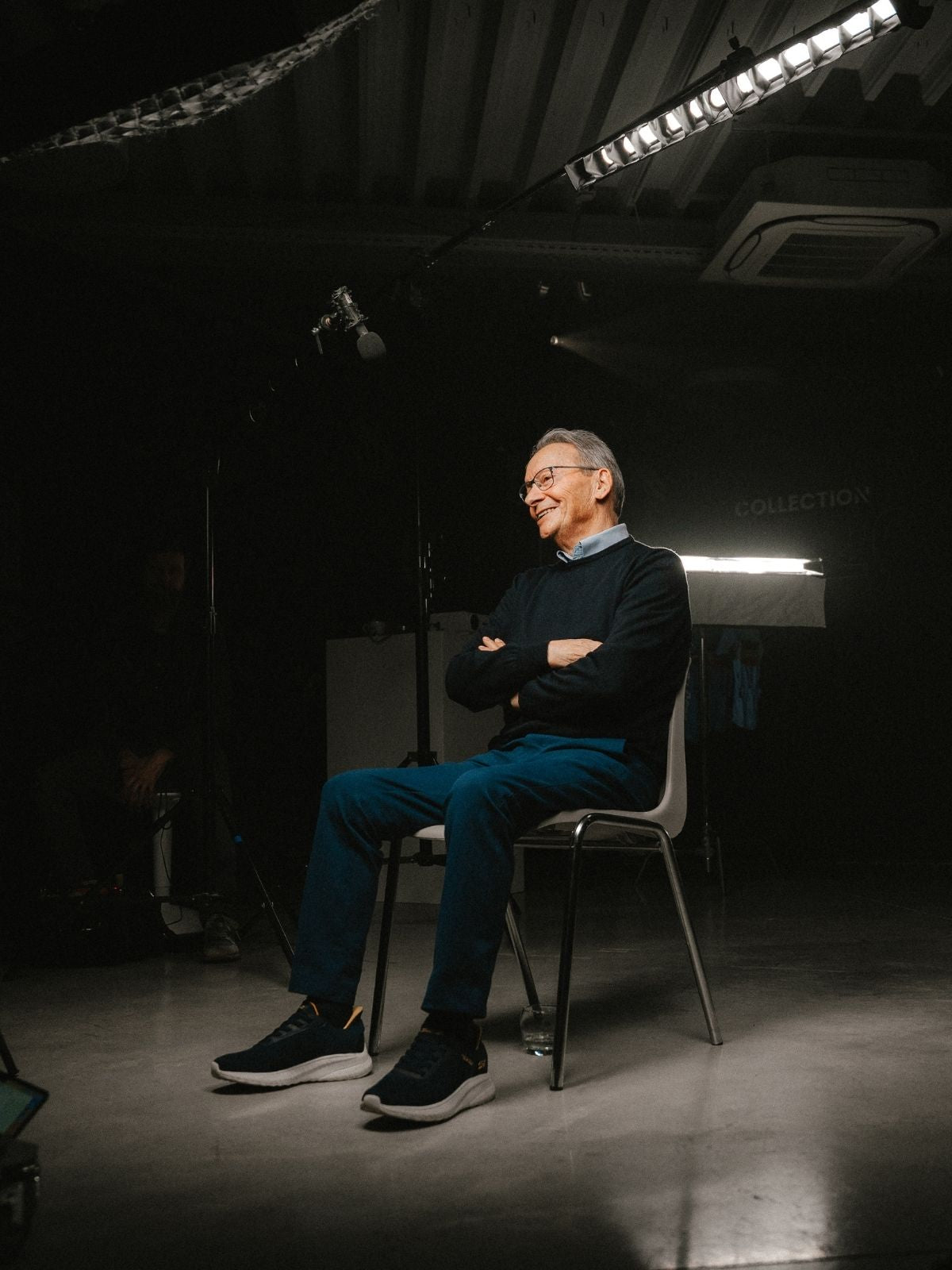
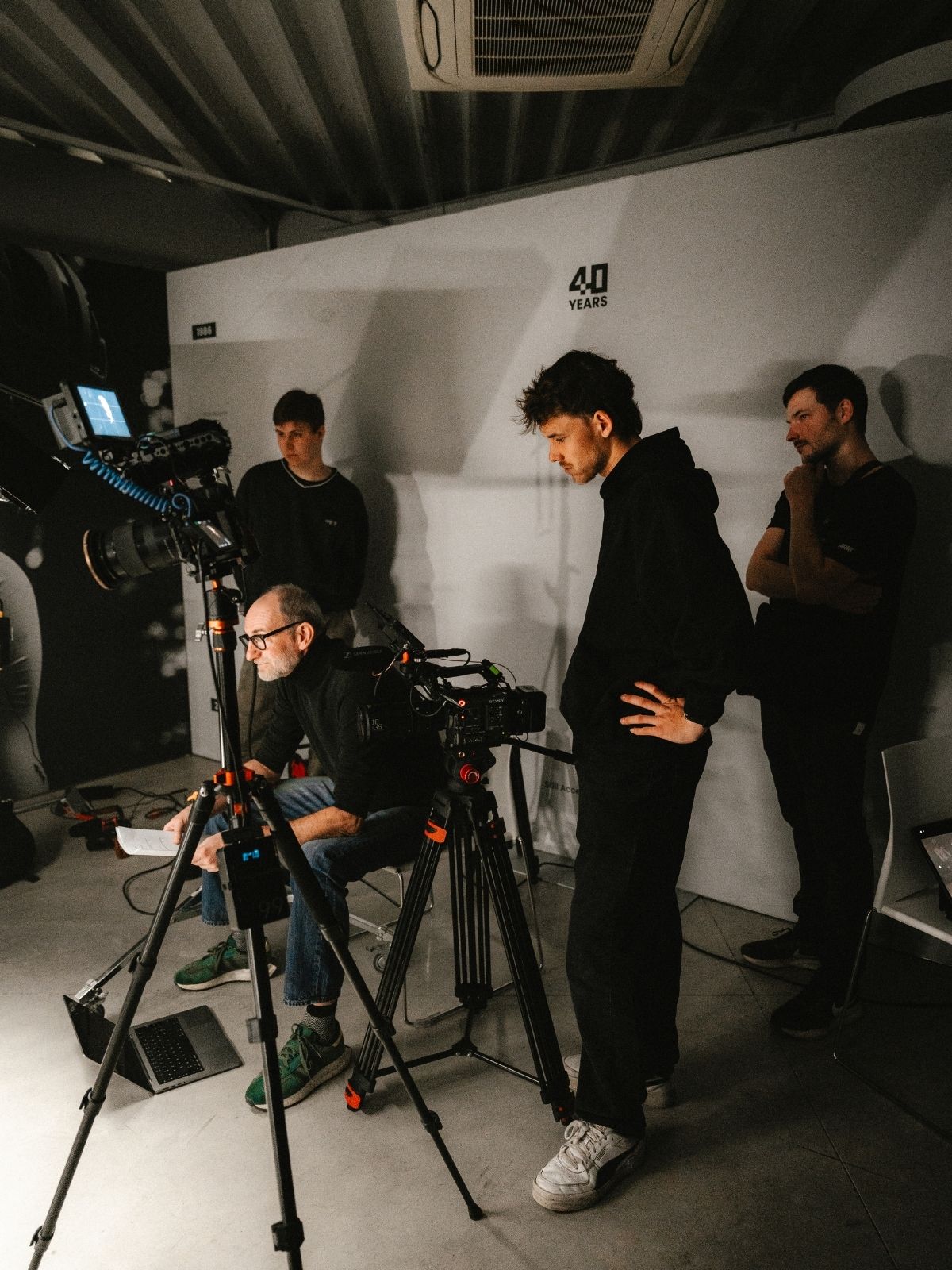
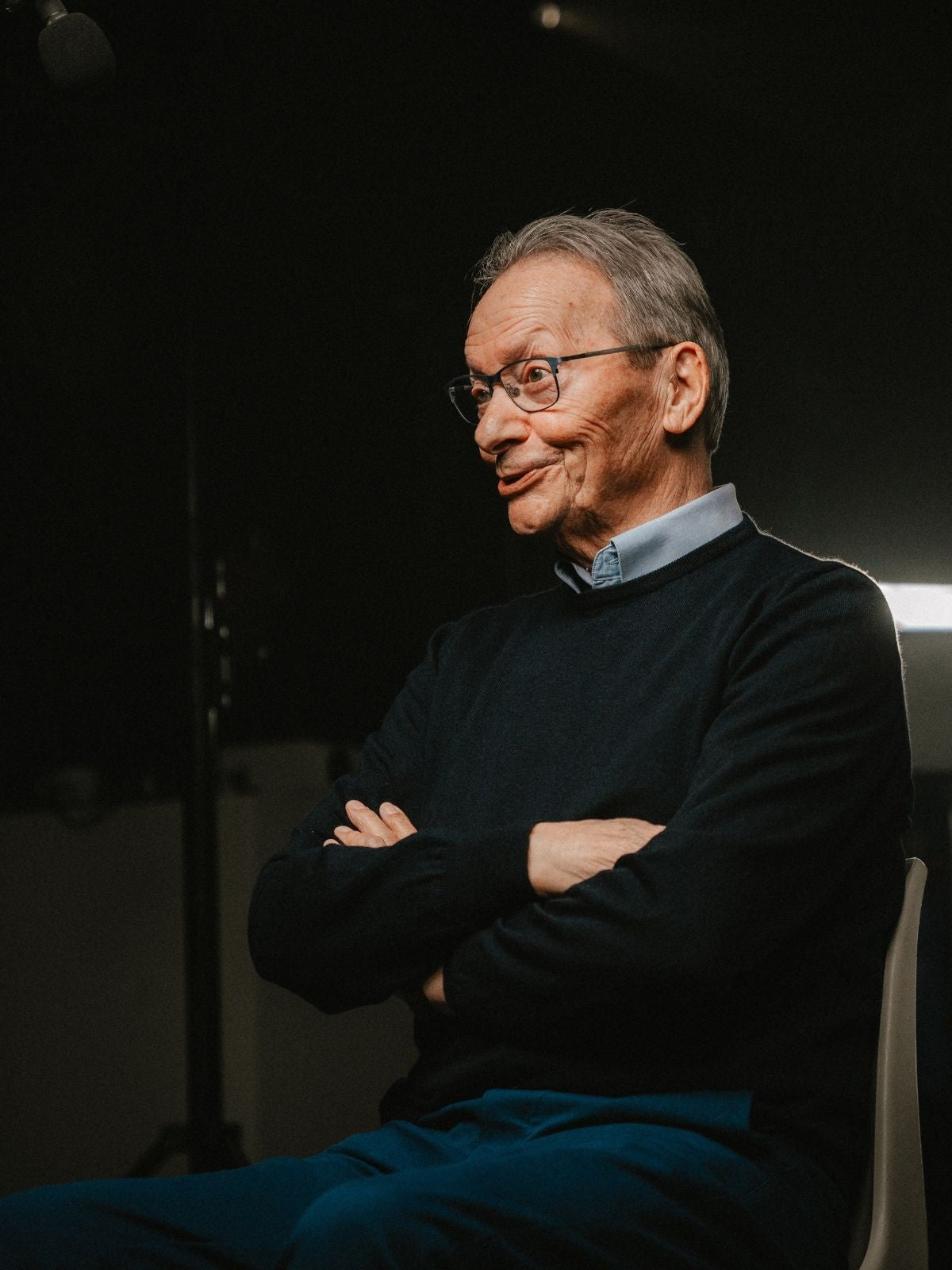
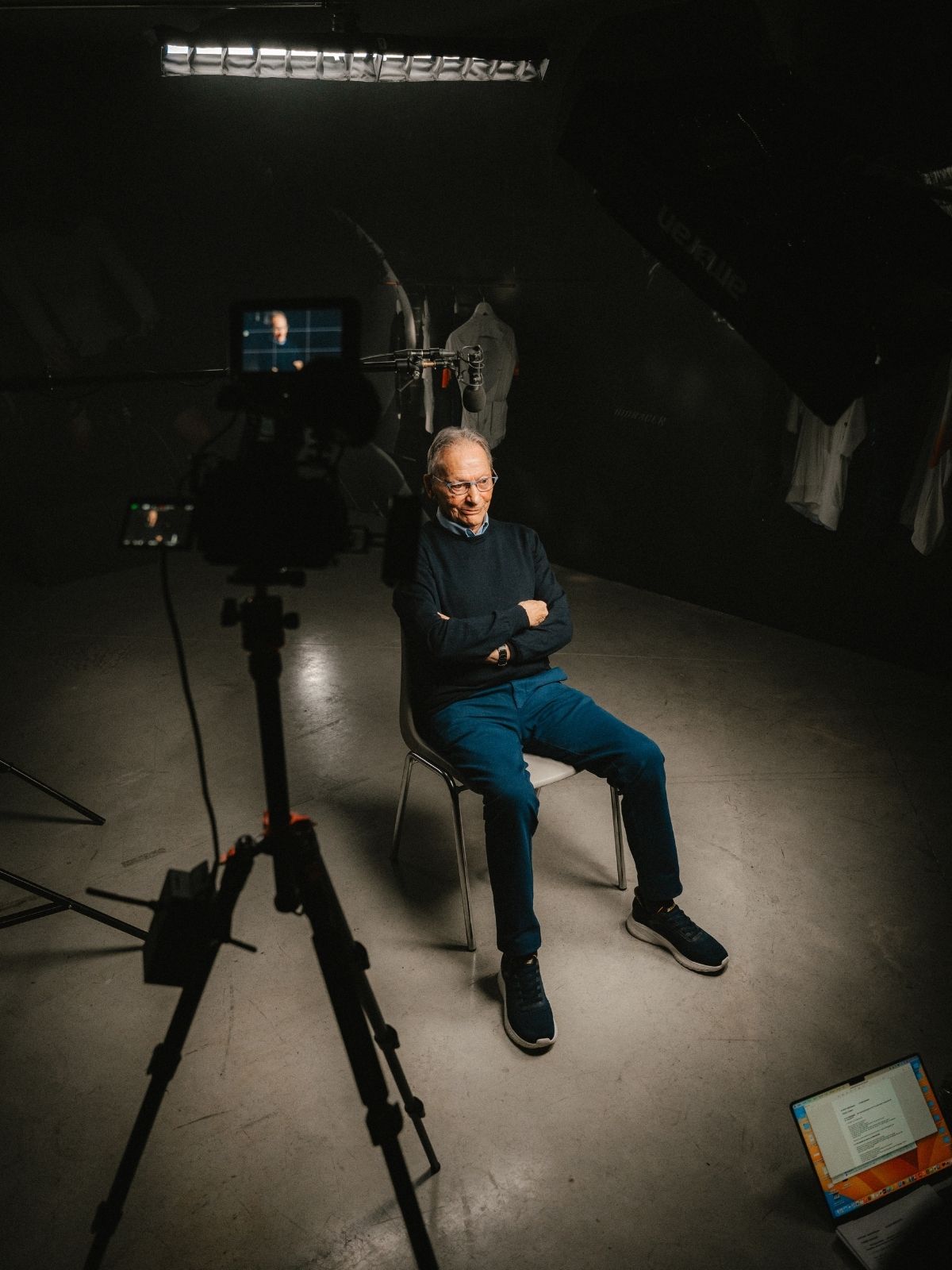
Behind The Scenes