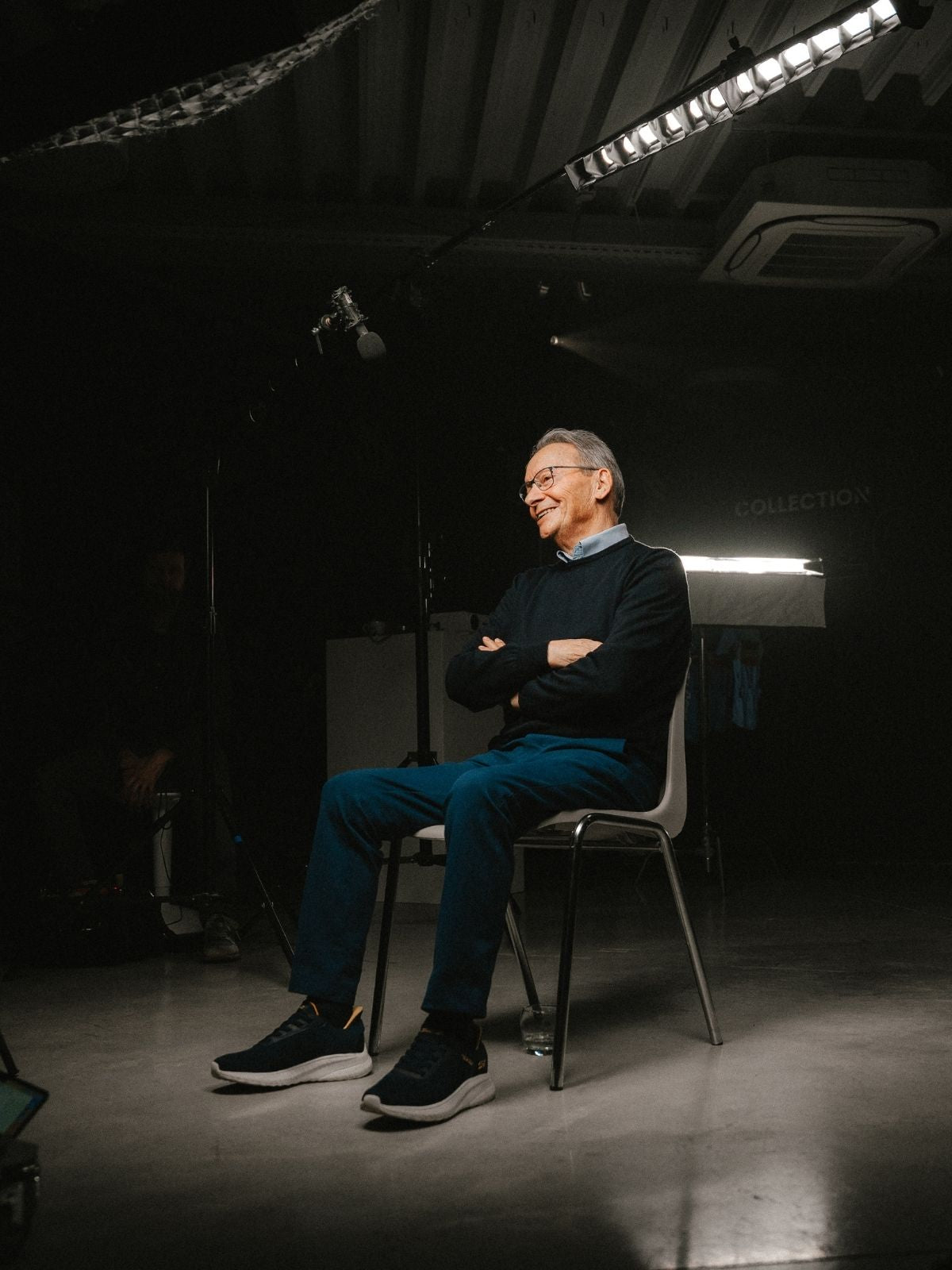
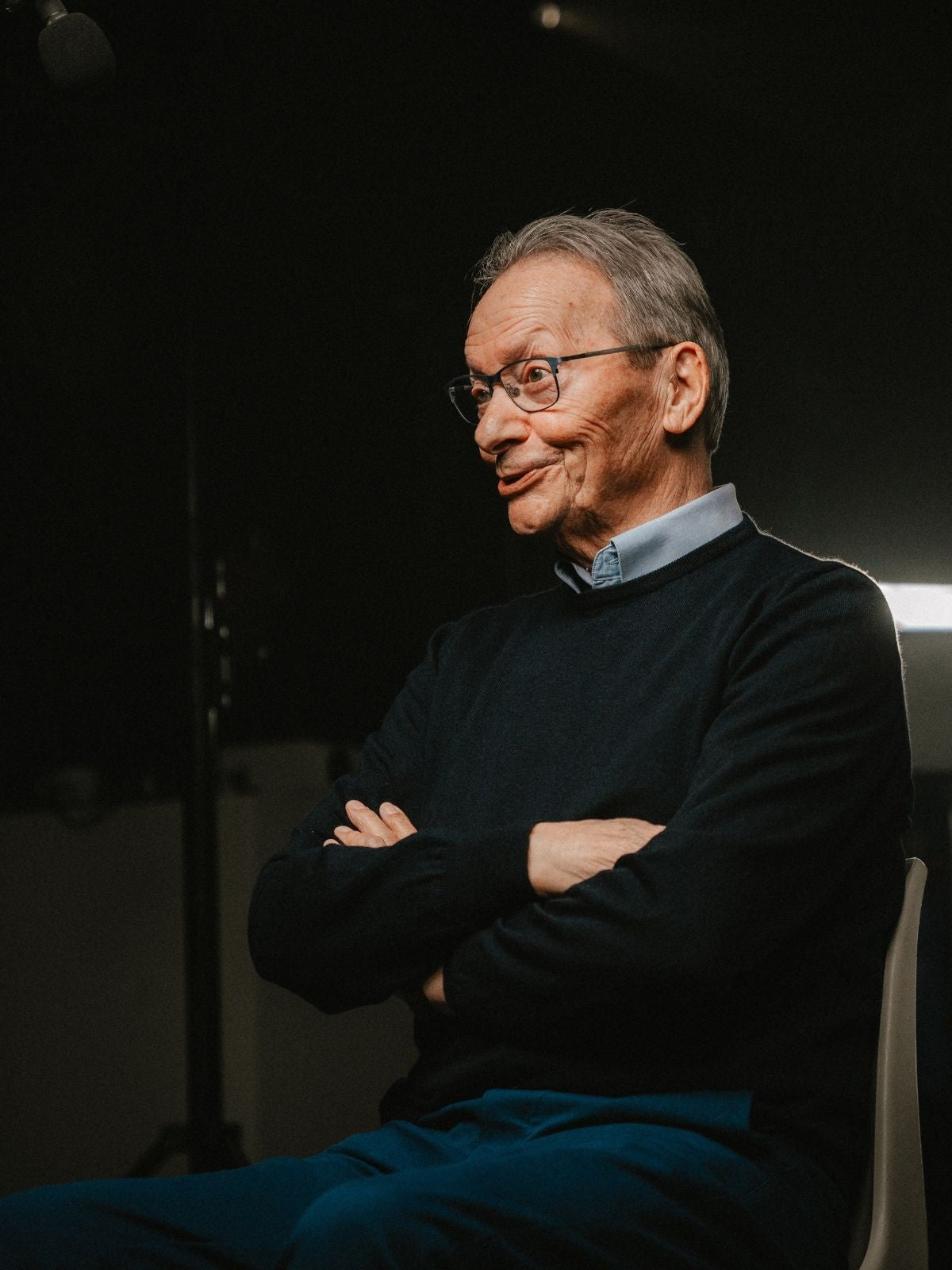
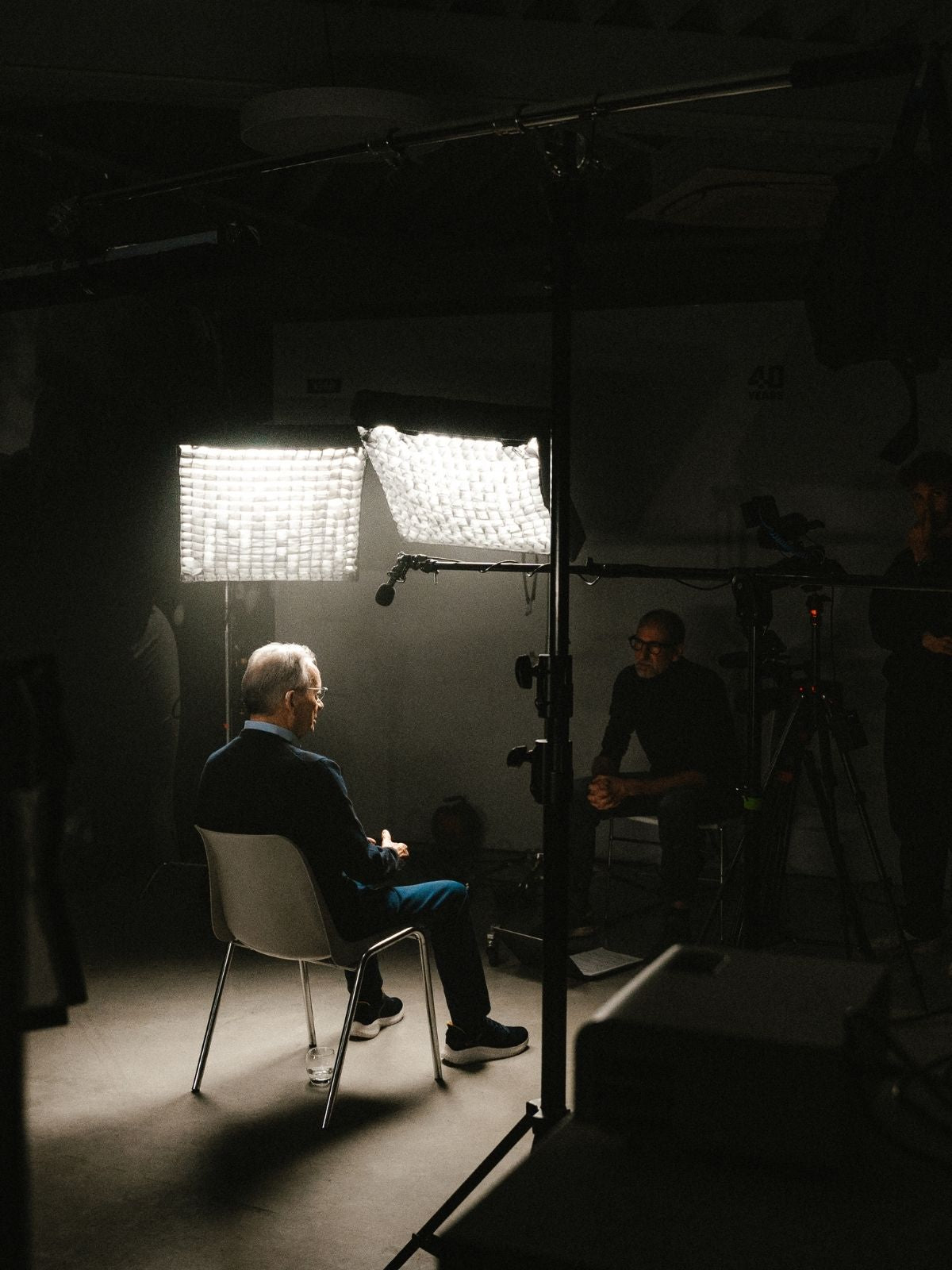
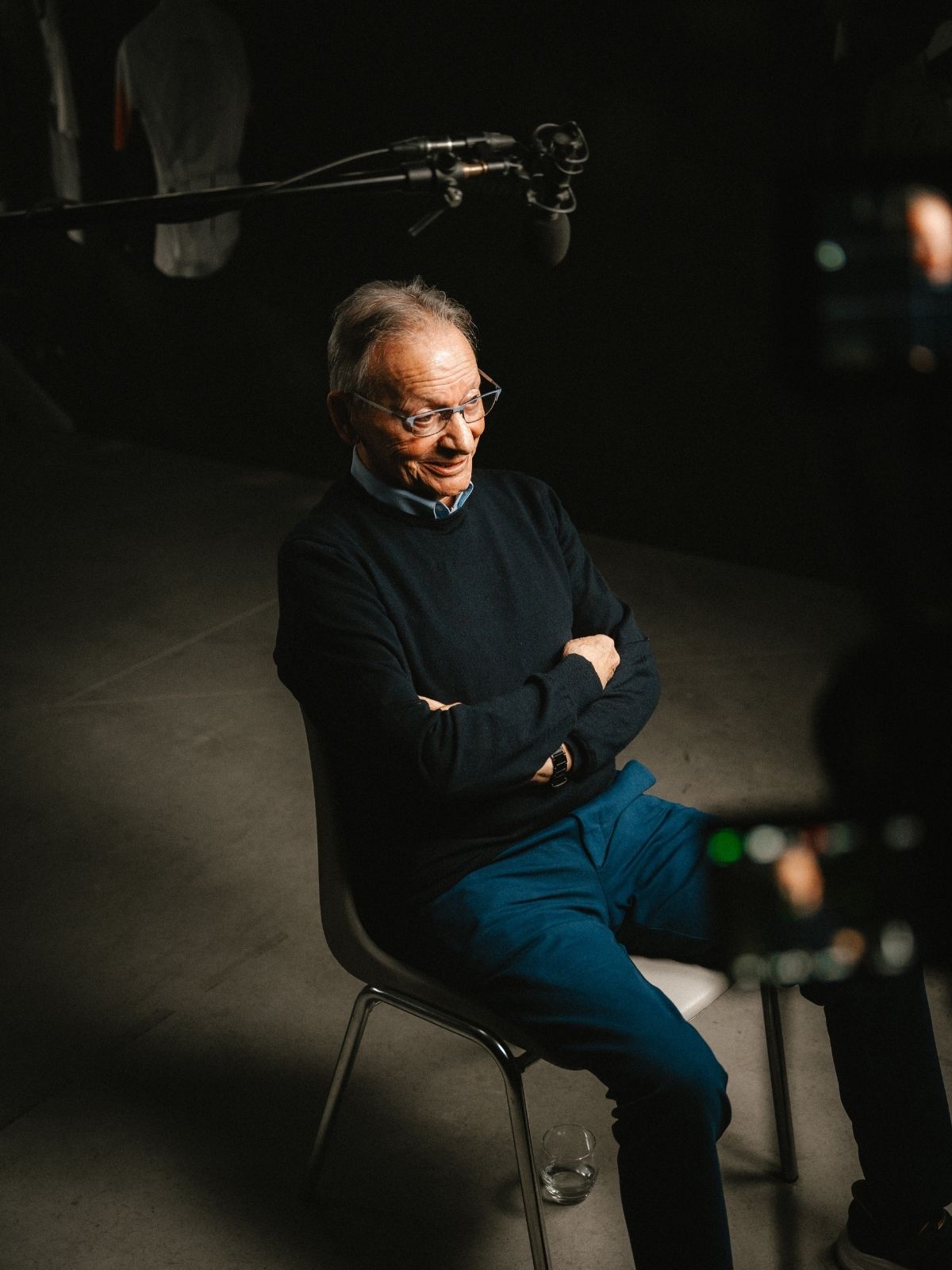
By Raymond Vanstraelen
Del Garaje a la Gloria
Pasa. Hay una historia que merece tu tiempo. Cuarenta años haciendo más rápidos a los ciclistas, contados desde el principio. Dale al play para verla cobrar vida. O sigue bajando y léela a tu ritmo, hito a hito.



1979.
En 1976, la carrera de Raymond Vanstraelen como ciclista llegó a su fin. Pero su vida en el ciclismo no había hecho más que empezar.
La mayoría de los ciclistas se alejan cuando se retiran. Raymond hizo justo lo contrario. Durante tres años se formó como director deportivo y entrenador y, en 1979, abrió su propia academia. La llamó Suport.
No lo hizo solo. A su lado estaba Yvan Vanmol, el reconocido médico del ciclismo. Desde el primer día, Suport fue diferente a todo lo que existía a su alrededor. No era un club dedicado a poner ciclistas en la carretera y pulsar un cronómetro. Se construyó en torno a una única pregunta, tan sencilla como obstinada, que marcaría todo lo que Raymond haría después:
"La idea con la que empecé era holística: ¿cómo puedo hacer mejor al ciclista?"
-Raymond Vanstraelen, Fundador de Bioracer

1985.
Aquella pregunta atrajo al talento. Los nombres que pasaron por Suport forman un auténtico quién es quién de la época dorada del ciclismo belga: Eric Vanderaerden, René Martens, Herman Frison, Johan Capiot y Guy Nulens. También llevó a Raymond hasta los límites de lo que el deporte consideraba posible.
Junto a Vanmol, fue el primero en introducir en Bélgica y Luxemburgo los pulsómetros de Polar, la empresa finlandesa pionera en la medición de la frecuencia cardíaca. Todos los deportistas de la academia, los ciclistas e incluso un piloto de motocross, entrenaban con un monitor en la muñeca, años antes de que el resto del mundo del deporte empezara siquiera a prestar atención a estos datos.

1986.
Para sus ciclistas, Raymond desarrolló algo que casi nadie más ofrecía en el mundo: medía al deportista en su totalidad. No se limitaba a observar y hacer una estimación, sino que analizaba cada dimensión relevante: las extremidades, la entrepierna, el torso, los brazos y la posición de la rodilla sobre el pedal, incluido su avance, una medida que casi nadie se planteaba siquiera registrar. Cada dato alimentaba un modelo informático que calculaba la única posición para la que el cuerpo de cada ciclista estaba realmente hecho. En aquella época, nadie trabajaba así.

1986.
En la base de todo estaba la biomecánica pura. Con la biela en horizontal y el pedal plano, Raymond observaba hasta que la cabeza del cuádriceps quedaba alineada verticalmente sobre el eje del pedal. Ese único instante le decía casi todo: cuánto se inclinaba la pierna, si la altura y la posición del sillín eran correctas y si la pedalada permitiría al ciclista transmitir cada vatio en el momento preciso.
La simetría era igual de importante. El lado izquierdo y el derecho debían reflejarse con absoluta precisión. Raymond podía leerlo en la rodilla, verlo en la postura del ciclista e incluso escucharlo en el ritmo del pedaleo. Nada recibía más atención por su parte.
"Si sumara todas las horas que dediqué a esa zapatilla, hablaríamos de meses. Todavía podría pasarme horas hablando de ella. No hay otra zapatilla igual."
-Raymond Vanstraelen, Fundador de Bioracer

1986.
Y habla en serio. Cuarenta años después, aquella zapatilla sigue encendiéndole la mirada. Porque la misma visión biomecánica que había transformado la posición del ciclista lo llevó, inevitablemente, más abajo, hasta el pie. El pie es el punto donde toda la potencia que genera un ciclista llega por fin a la bicicleta. También es donde se pierde gran parte de ella.
Por aquel entonces, una zapatilla de ciclismo era de cuero negro, con una suela también de cuero negro. Raymond hizo la suya azul e incorporó un soporte para el arco plantar. El resto de los deportes ya lo había entendido. El ciclismo, no. Más del 80 % de los ciclistas presenta pronación: bajo carga, el pie gira hacia dentro y arrastra la rodilla con él. El soporte del arco corregía ese hundimiento antes de que se tradujera en una pérdida de potencia. También elevó ligeramente la zapatilla para mantener el talón firmemente sujeto.
Y después hizo algo que ninguna zapatilla ha conseguido igualar desde entonces: la hizo asimétrica. Al pedalear, el tobillo gira hacia dentro y parte de la potencia se pierde por la zona posterior del talón. Su construcción asimétrica inclina el talón hacia fuera y convierte esa pérdida directamente en impulso.

1986.
Funcionó. Ochocientos pares vendidos desde el garaje. En su mejor momento, un tercio del pelotón profesional competía con ellas: Planckaert, De Wolf, Nulens y Vanderaerden.
Y entonces desaparecieron. El fabricante quebró, en parte, admite Raymond, por intentar seguirle el ritmo. Él siempre quería dar el siguiente paso, y aquel hombre tenía que seguir haciéndolo realidad. Cuando el fabricante cayó, la zapatilla Bioracer cayó con él.

1986.
Raymond no se quedó anclado en aquella pérdida. Se centró en lo que todavía podía moldear con sus propias manos: la plantilla. Bien diseñada, una plantilla puede marcar una enorme diferencia. Todo el arte consiste en eliminar los picos de presión.
En el ciclismo, el pie no realiza el movimiento de apoyo y despegue propio de caminar o correr. Por eso, se escanea en 3D y la plantilla se calienta y moldea exactamente en los puntos donde se concentra la carga. La propiocepción lo es todo. Al final, el objetivo es sencillo: que ambas rodillas se muevan en una línea perfectamente recta.

1986.
A esas alturas, Raymond ya había realizado miles de mediciones biomecánicas, y los datos seguían apuntando a una misma e incómoda realidad: los ciclistas y sus bicicletas no encajaban. Toda la industria seguía el modelo de los fabricantes italianos, adaptando al ciclista a la bicicleta en lugar de adaptar la bicicleta al ciclista. Un italiano de 165 centímetros y un escandinavo de 190 podían acabar sobre una máquina prácticamente idéntica. Para Raymond, aquello era absurdo. También era una oportunidad, y no era el único que lo veía así.
En 1986, durante una feria comercial en Múnich, conoció a Harrie y Sjefke Janssen, dos hermanos al frente de una de las tiendas de bicicletas más conocidas de los Países Bajos. Se entendieron al instante. Raymond aportaba el conocimiento biomecánico; los hermanos, la habilidad para convertirlo en metal. Todos compartían la misma convicción: las medidas del ciclista debían formar parte del propio cuadro. Raymond mantuvo el nombre Bioracer en sus manos; los Janssen construyeron las bicicletas.

1986.
De aquella colaboración nació algo que la industria, sencillamente, no fabricaba. Cada cuadro era personal. No era un modelo ni una talla elegida de una tabla. Era un cuadro para un solo cuerpo, construido a partir de unas medidas que ningún otro ciclista compartía. La calidad no estaba en nada que pudiera apreciarse a simple vista. Estaba en hasta qué punto cada bicicleta pertenecía por completo a quien la montaba. Ese era el talento de Raymond, y casi nadie más lo tenía.
Cualquiera podía medir a un ciclista; casi nadie sabía convertir esas medidas en un cuadro. Raymond detectaba desviaciones de un centímetro donde otros no veían nada y corregía la altura y la longitud al milímetro, y los ángulos a la décima de grado. Y esa era también la razón por la que aquello nunca podría crecer. Cuando se lleva el ajuste de una posición hasta la centésima de porcentaje, la bicicleta se vuelve demasiado cara e imposible de producir en serie. Solo una persona podía construir con ese nivel de precisión. Formar a otros habría llevado años y, aun así, probablemente no habría funcionado.
Y esa era también la razón por la que aquello nunca podría crecer. Cuando se lleva el ajuste de una posición hasta la centésima de porcentaje, la bicicleta se vuelve demasiado cara e imposible de producir en serie. Solo una persona podía construir con ese nivel de precisión. Formar a otros habría llevado años y, aun así, probablemente no habría funcionado.

1987.
Raymond ya había transformado la posición del ciclista, la zapatilla y el cuadro. Ahora, aquella misma pregunta encontraba un nuevo terreno. La espalda del ciclista. Literalmente. En los años ochenta, el pelotón todavía competía vestido de lana. Bajo la lluvia, absorbía el agua como una esponja y, en una tarde gris belga, los ciclistas acababan arrastrando maillots pesados, fríos y pegados al cuerpo. Así que Raymond fue en busca de un lugar donde realmente supieran hacer ropa deportiva. La respuesta no estaba en el ciclismo. Estaba en las pistas de esquí.
El camino lo llevó hasta Suiza, hasta un fabricante de ropa de esquí que conocía los secretos de los tejidos ligeros, elásticos y transpirables. Era Eschler, una de las grandes casas textiles, quien le dio el consejo que lo cambiaría todo: deja de buscar la prenda que quieres y empieza a fabricarla tú mismo. Y eso hizo, pero no solo. Raymond y su mujer, Annie, hicieron una pausa profesional de cinco años, instalaron dos pequeñas máquinas de coser en el garaje y se pusieron manos a la obra.

1989.
Buscaban una única chaqueta capaz de hacerlo todo: ser impermeable, transpirable y elástica al mismo tiempo. La llamaron IsoFilm. Las primeras unidades se fabricaron para los ciclistas de su propia academia. No existía nada parecido y, en el pelotón, la voz corre rápido. En 1989, la chaqueta ya había llegado a la cima del deporte: los ciclistas del Panasonic, el potente equipo de Peter Post, se enfundaban las chaquetas de Raymond en el mayor escenario del ciclismo.

1993.
La chaqueta había demostrado todo lo que una sola prenda podía conseguir. Pero Raymond no estaba creando piezas aisladas, sino una forma completamente nueva de vestir al ciclista. En 1991, aquella ambición encontró su equipo. Los corredores del Tonton Tapis-GB se vistieron de Bioracer de la gorra a los calcetines y tomaron la salida como la primera formación de la historia en competir íntegramente con su equipación. Fue un salto aún mayor que el que había supuesto la chaqueta.
"La selección belga siempre fue uno de mis grandes sueños. Yo mismo competí varias veces con los colores nacionales, así que sé perfectamente el orgullo que se siente al llevarlos. Es un patrocinio neutral y te permite trabajar siempre con los mejores ciclistas."
-Raymond Vanstraelen, Fundador de Bioracer

1994.
En 1993, Raymond asistió a la recepción de Año Nuevo de la Federación Belga de Ciclismo. Aún no lo sabía, pero estaba presenciando el comienzo de algo que acabaría convirtiéndose en un icono. Bioracer y la federación, hoy Belgian Cycling, unieron fuerzas, y la nueva alianza no tardó en dejar huella: Paul Herygers se proclamó campeón del mundo de ciclocross, convirtiéndose en el primer campeón mundial vestido por Bioracer en entrar en los libros de historia. Para Raymond, era un sueño hecho realidad.

1995.
Bélgica fue solo el principio. En 1995 llegó la KNWU de los Países Bajos, y a partir de ahí ya no hubo quien lo detuviera. Al año siguiente, el ciclista de montaña neerlandés Bart Brentjens subió a lo más alto del podio en Atlanta, convirtiéndose en el primer campeón olímpico en ganar vestido por Bioracer. En 2009 se sumó Alemania, con la BDR, hoy German Cycling. Junto al especialista en contrarreloj Tony Martin y los ingenieros de FES, Bioracer se convirtió en el referente en monos de contrarreloj. Más de tres décadas después, estas colaboraciones son más sólidas que nunca. El medallero ya supera las 1.500 preseas. Y el trabajo de cara a Los Ángeles 2028 ya avanza a pleno rendimiento.

2026.
A founder's obsession can build a company. Keeping it alive once he steps away is the harder thing. Bioracer managed both. Raymond handed over the wheel long ago. Danny Segers became CEO in 2018, Stefan Venken in 2026. But you won't convince Raymond he's left. Every week he comes back, walks in past the photographs on the walls decades of Bioracer victories and stops to take them in.
That is the secret hiding in plain sight. It was never the jackets, the frames or the medals. It was always the people who made them. The company that made its name measuring riders is, in the end, measured by something just as human... the belief Raymond built it on: man is the measure of all things.
Find the right people, give them the right place, and everything else follows. From two sewing machines in a garage to world champions in the national colors of Europe, the arc was never really about the product. It was about a question one man refused to stop asking, and the people who answer it still. The garage is far behind them now. The fire that started there is not.
Behind The Scenes