

United States - The Para-cycling Road World Championships in Huntsville, ran from 4 to 7 September and delivered nine medals for the Bioracer-supported nations. Belgium took three, two of them gold. Germany collected the largest haul with five. Norway's single medal was silver.
📸 Images: Instagram

Three nations, nine medals
The Para-cycling Road World Championships brought four days of racing to Huntsville, across two disciplines: the individual time trial and road race.
Three Bioracer nations made the trip, and all three left with something: three gold, two silver and four bronze medals between them.
Behind those numbers are athletes competing at the top of their classes. Bioracer is proud of what each of them rode for, medallists and non-medallists alike.

Closer to 1,500 medals
Stefan Venken, CEO of Bioracer, is counting towards a number. The mark of 1,500 medals won by athletes in Bioracer kit, is an ambition the brand has been building towards across different disciplines and championships. Huntsville was the setting where nine more medals were added to the total in just four days.
"Nine medals at the Para-cycling Road World Championships. That brings us closer to the mark of 1,500 medals won in Bioracer kit, but what stays with me are the riders behind them."
Four days in Alabama to perform under pressure, and behind them a full year of training and racing, but most of all setbacks that never make a results sheet. The medals are the visible part of something much longer. We as Bioracer are proud of every rider who went to Huntsville.

The championship course
From 4 to 7 September, the world’s best para-cyclists raced through Cummings Research Park in Huntsville. Temperatures reached around 35°C, with only a light 10 km/h wind, making heat management an important part of the weekend.
The championships started with two days of time trials. Friday featured the H1-H5 handcycle and T1-T2 tricycle classes, followed on Saturday by the C1-C5 cycle and B tandem classes. The time trial covered a fast, rolling 14.6 km circuit with 74 metres of elevation gain, combining long straights and several technical corners.
The road races followed on Sunday and Monday on a slightly shorter 13.8 km circuit with 76 metres of elevation gain per lap. Handcycles and tricycles raced on Sunday, while cycle and tandem classes took over on Monday, before the championships concluded with the handcycle team relay.
Race distances varied by classification, from shorter multi-lap races to nearly 100 km for the fastest categories. With rolling terrain and extreme heat, Huntsville proved a demanding test of pacing and endurance.

Podium performances
Nine medals tell only part of the story. Across time trials and road races, Bioracer athletes raced for every chance at the podium. From world titles to hard-earned silver and bronze, Belgium, Germany and Norway all left Alabama with performances to be proud of.

Belgian brilliance
Belgium’s World Championships started with gold against the clock. Marvin Odent took control of the H3 time trial early, already leading by 14 seconds after the first of two laps. He continued to build his advantage over the 29.2 km, finishing in 40:54 and almost 47 seconds clear to claim his first world title. A day later, Ewoud Vromant added bronze in the C2 time trial.
For Tim Celen, the weekend turned around on the road. After missing the T2 time trial podium by just 0.6 seconds, he stayed at the front throughout the 41.4 km road race, responded to the attacks and entered the final stretch in a group of four. A long sprint on the slightly rising finish delivered a second Belgian rainbow jersey. Julie Debock came closest to adding another medal, finishing fourth in the C4 road race.
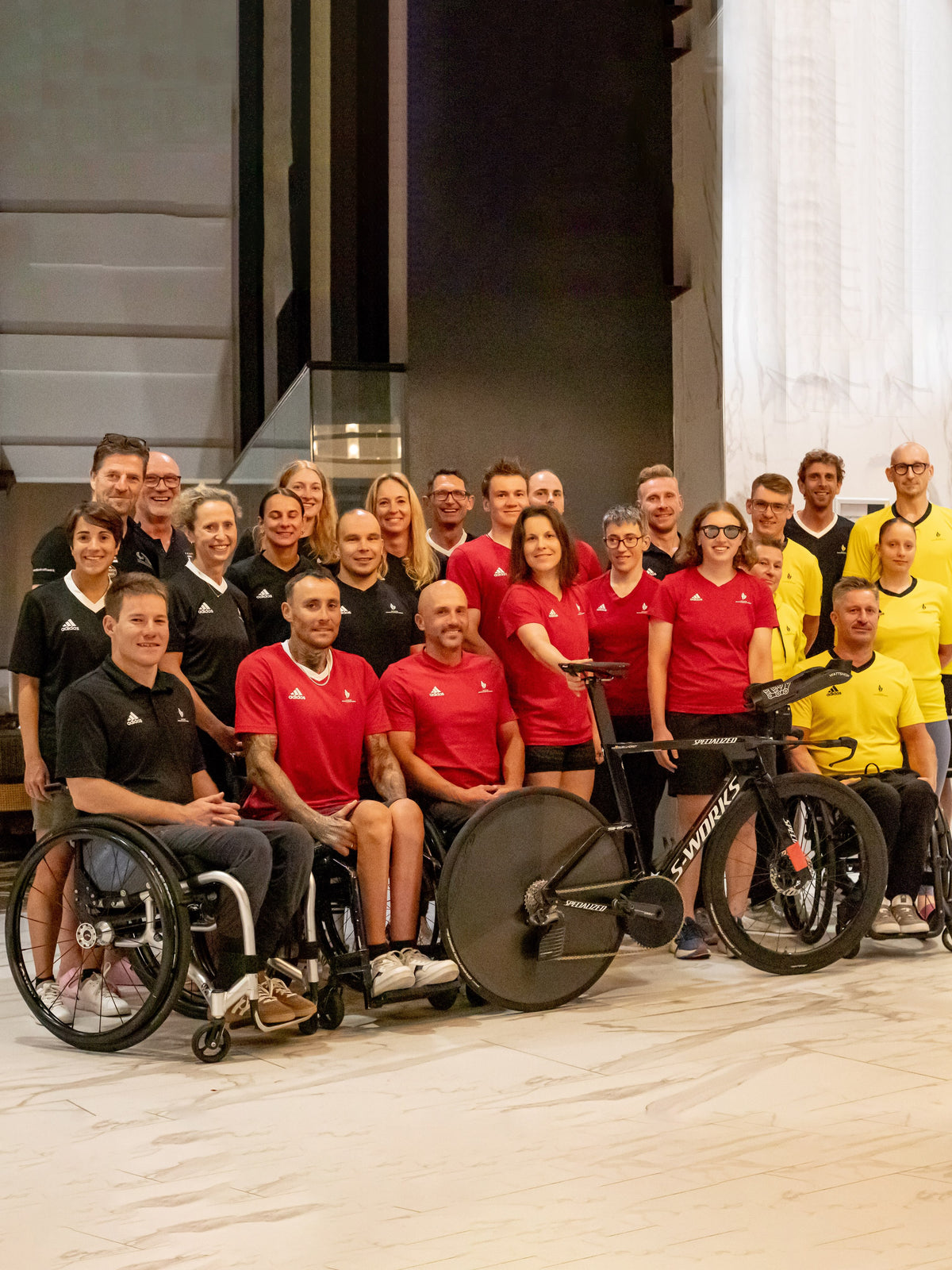
German glory
Germany did most of its damage against the clock. Maximilian Jäger claimed the T2 world title, while Marie Quellhorst came within just 1.8 seconds of gold over the 14.6 km C3 time trial. Bronze medals for Angelika Dreock-Käser in T2 and Daniel Ulmann in H3 made it four German medals from the time trials alone.
The road races brought a different challenge. Jäger was in medal contention before a crash ended his chances, while Ulmann finished fourth in H3 and Quellhorst fifth in C3. The final medal came from Pierre Senska. After 69 km of C1 racing, the medals were decided in a tight finish, with Senska sprinting to bronze. Germany left Huntsville with five medals: one gold, one silver and three bronze.
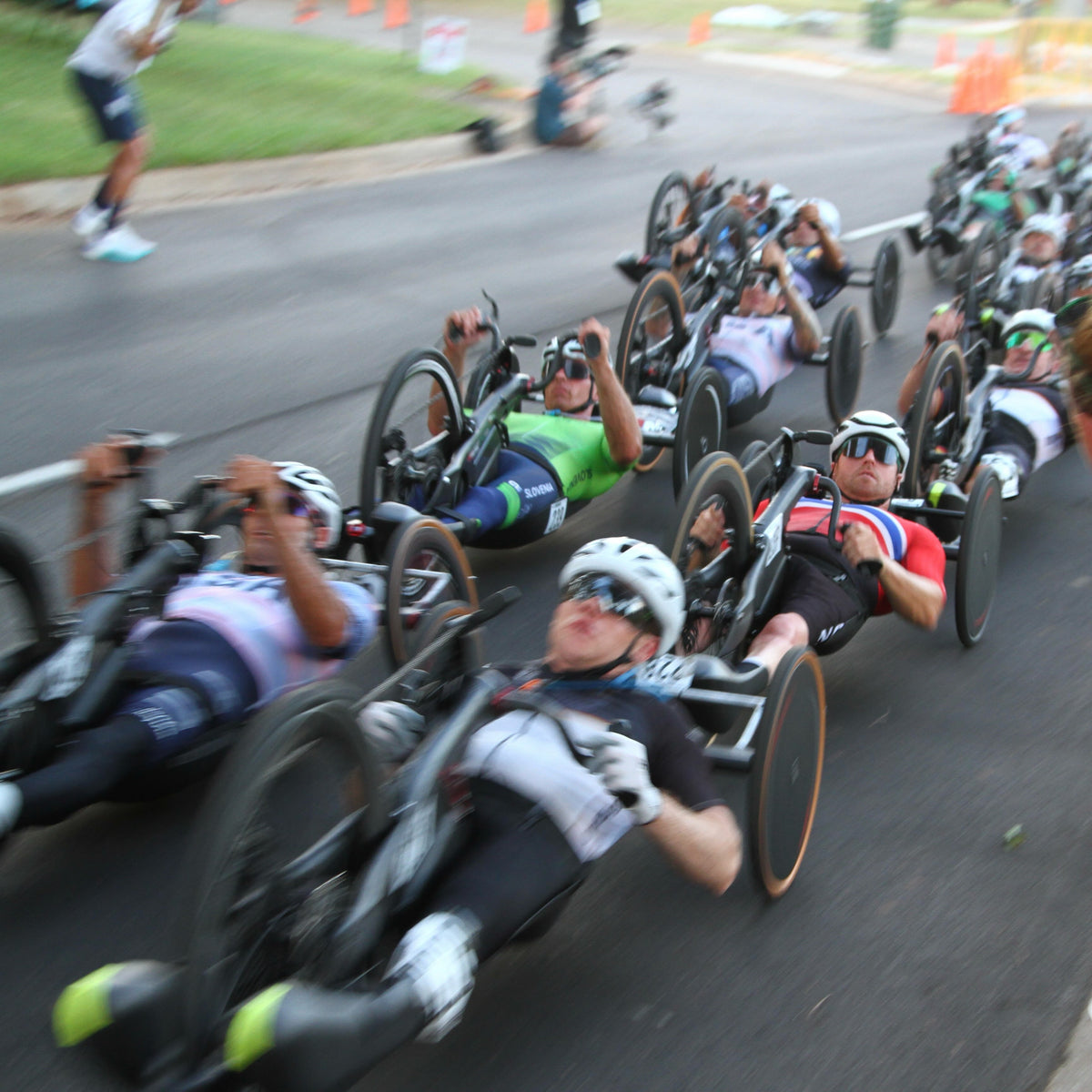
Norwegian notch
For Norway, the biggest moment came after 69 km of H3 road racing. Christian Gyldenøhr had already opened his championships with sixth place in the time trial, but the road race developed into a much closer fight. A large group remained together deep into the race, setting up a sprint for the rainbow jersey. Gyldenøhr was right in the middle of that battle and crossed the line second to take World Championship silver.
Norway’s other two riders completed both disciplines. Suzanna Tangen finished seventh in the H4 time trial before moving up to fifth in the road race, while Kevin Touya recorded 11th place in both the C3 time trial and road race.
